A woman survives, relocates, and still somehow receives correspondence from the wrong building.
Carnival of Souls Treats the Abandoned Pavilion as a Forwarding Address
The haunting works because the deserted carnival seems less like a location than a mailroom for unfinished existence.
By Corin Frame, Film Critic
REVIEW DESK - Published June 6, 2026 at 10:05 AM CDT
Commercial notice
Carnival of Souls understands a truth most horror films only approach: the abandoned building is not empty. It is administratively patient.
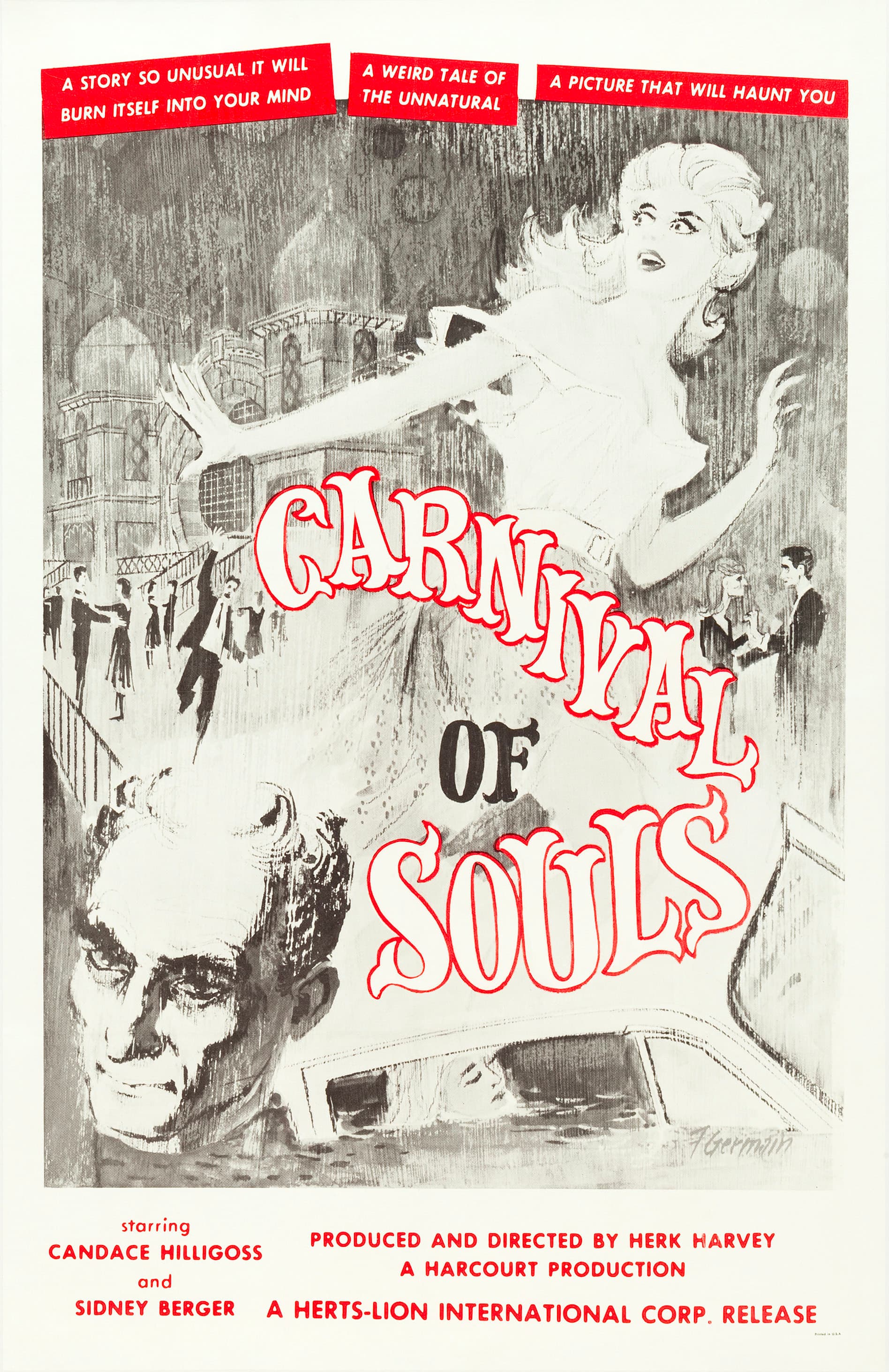
The film centers on a woman who survives a car accident and becomes drawn to an abandoned carnival pavilion. That verb, drawn, is doing almost too much work. It suggests the pavilion is not merely standing there. It is maintaining a correspondence list.
The Forwarding Address
An abandoned carnival should be inert. Its job is to prove that fun, once expired, becomes architecture. But this pavilion behaves like a forwarding address for whatever part of a person did not fully arrive after catastrophe.
The horror comes from the building's professionalism. It does not chase. It waits. It knows that anyone with unresolved status will eventually need to pick up their mail.
Empty-Space Administration
The film's empty spaces feel official because they refuse to look surprised. Streets, rooms, churches, and dances all seem to understand that the pavilion has jurisdiction. The living world keeps functioning, but only as a temporary lobby.
That makes the heroine's movement less like possession than appointment compliance. She is not being lured by spectacle. She is being asked to report to the place that still has her name in a drawer.
Verdict
Carnival of Souls remains eerie because it treats the afterlife as facilities management. The abandoned pavilion is not a symbol of death. It is worse: a building with accurate records, low staffing, and no intention of closing until everyone who survived incorrectly has been processed.
Commercial notice