The outlaw becomes a temporary conductor with worse customer service and stronger opinions.
The Great Train Robbery Gives Crime the Manners of a Transportation Update
The robbery is bold, but its real innovation is making passengers disembark into criminal procedure with alarming clarity.
By Corin Frame, Film Critic
REVIEW DESK - Published June 6, 2026 at 10:23 AM CDT
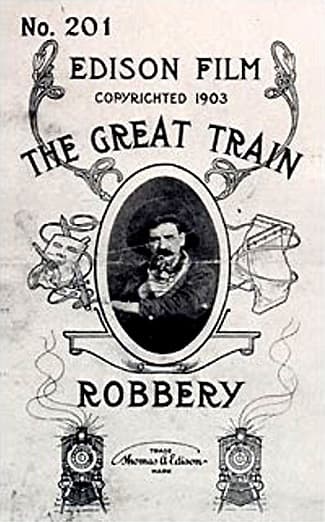
Commercial notice
The Great Train Robbery is foundational cinema, but it is also an early study in how quickly transportation can become an appointment with criminals.
The film lets bandits stop a train, force passengers off, and rob them. That action is often treated as spectacle. More importantly, it is a service disruption with weapons. The passengers are not merely victims. They are customers whose trip has been reclassified outdoors.
Passengers Outside
Forcing passengers off the train is the key administrative move. It turns the robbery into a platform event. Everyone must leave the vehicle, stand in a new configuration, and accept that the itinerary has changed hands.
This is why the crime feels so modern. The bandits do not reject systems. They briefly operate one.
Timetable With Weapons
The train promises direction, schedule, and collective progress. The robbery borrows all three. It has sequencing, staff roles, passenger handling, and a clear though undesirable endpoint. The outlaw is not chaos. He is unauthorized operations.
The famous final shot matters because it removes any remaining comfort that the event was contained in the rail corridor. The procedure has noticed the audience.
Verdict
The Great Train Robbery still works because it sees crime as a transportation update delivered by men with no interest in refunds. The train begins as infrastructure, but the film's real subject is how fast infrastructure can be made to serve whoever has the clearest instructions.
Commercial notice