A wedding trip becomes a procurement issue with moonlight, sugar mills, and poor controls.
White Zombie Worries Marriage May Be Too Easily Outsourced
The film's strangest anxiety is not undeath, but the discovery that romance has vulnerable third-party vendors.
By Corin Frame, Film Critic
REVIEW DESK - Published June 6, 2026 at 10:14 AM CDT
Commercial notice
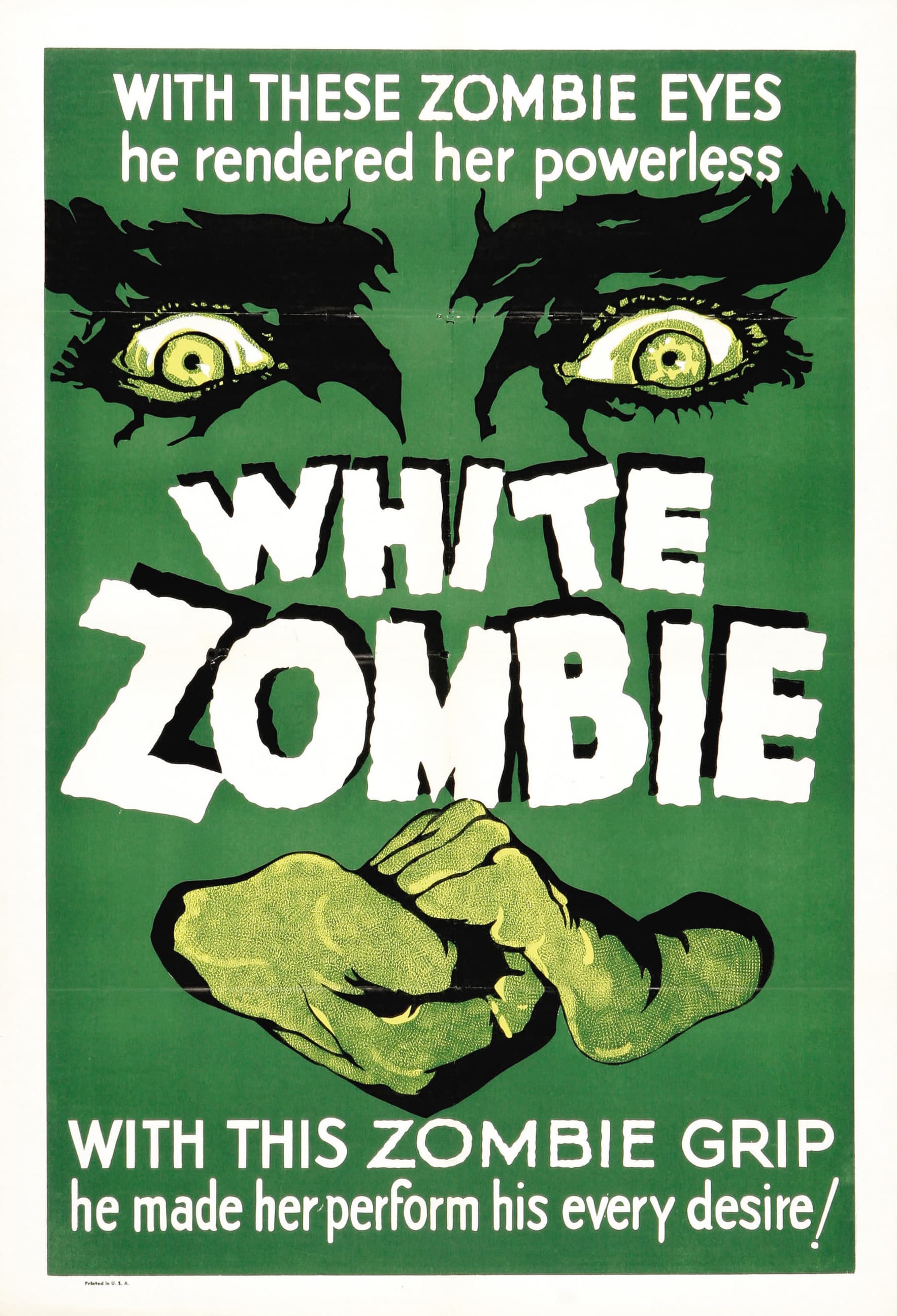
White Zombie is frightening because of its undead premise, but it is more unsettling as a film about weak vendor management around marriage.
The film places a woman on a wedding trip and then introduces a man who wants her transformed into a zombie. This is a horrifying thing to want. It is also a procurement failure. A relationship has entered a new market without confirming which outside parties can interfere with the deliverables.
The Wedding Trip
The wedding trip should be a sealed emotional container. Instead, it behaves like an open bid process. Desire, jealousy, local power, and supernatural labor practices all appear able to submit proposals.
The film's terror is not that love can be stolen. It is that love has not been properly scoped.
Vendor Management
The zombie figure exposes how much of romance depends on consent remaining administratively legible. Once that legibility is compromised, everyone keeps using the language of devotion while the actual person has been converted into someone else's process.
The film's mills, rooms, and ceremonies feel like parts of one grim supply chain. Each location asks the same question: who has authority over this body, and why did no one request proof before the honeymoon?
Verdict
White Zombie endures because it understands marriage as a vulnerable infrastructure project. Its monsters frighten, but the real chill is contractual: two people arrive believing they have a private future, only to learn that a third party has already found the unsecured entrance.
Commercial notice